Las Vegas sits on a deep basin of alluvial fan deposits, with silty sands and gravels extending hundreds of feet below the surface. Groundwater can be over 300 feet deep in most areas, but shallow perched zones appear near the Las Vegas Wash. Selecting the right geotextile specification here means accounting for high evaporation rates and the risk of salt precipitation clogging fabric pores. The team reviews site grading plans and soil classifications before recommending a geotextile type. For projects requiring additional separation or stabilization, a companion ensayo CBR helps confirm subgrade strength values that feed into the final specification.
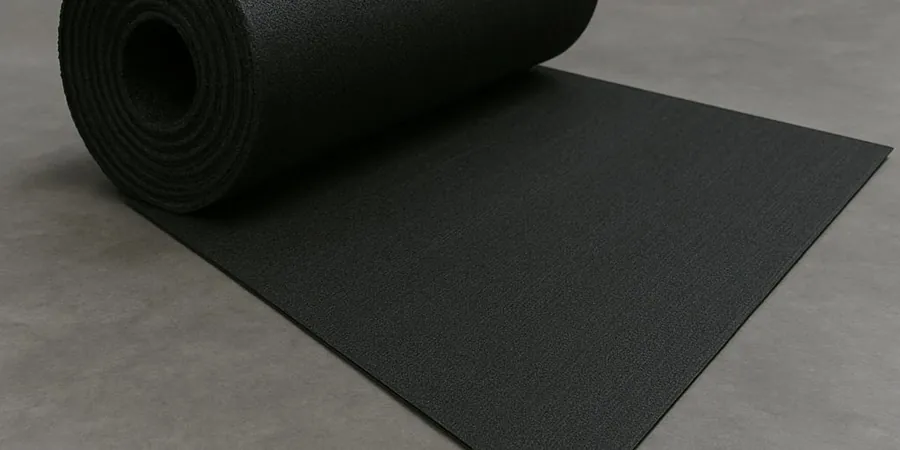
Geotextile longevity in Las Vegas depends on UV stabilization and AOS selection that matches the site's silty sand gradation.
Service characteristics in Las Vegas
- Separation geotextiles require a minimum grab strength of 900 N per ASTM D4632.
- Filtration geotextiles need an AOS (Apparent Opening Size) below 0.212 mm per ASTM D4751 to retain the local silty sand.
Critical ground factors in Las Vegas
A poorly specified geotextile in Las Vegas can clog within a single monsoon season. The risk is real — fine silts from the alluvial fans migrate into the fabric and reduce drainage capacity. Without proper permittivity and AOS values, water builds up behind retaining walls or under pavements. The team uses the site's actual grain size curve from a full sieve analysis to pick the right opening size. They also check the pH of the local groundwater; alkaline conditions near the caliche layers can degrade polyester geotextiles over time, so polypropylene is often preferred.
Our services
The team offers three core geotextile specification services tailored to Las Vegas conditions:
Separation Specification
Designs for unbound aggregate layers over low-CBR subgrade. Includes tensile strength, puncture resistance, and overlap width calculations per ASTM D4632.
Filtration Specification
Selects AOS and permittivity based on site soil gradation. Prevents piping of silty sands while allowing drainage under roads or behind walls.
Reinforcement Specification
Calculates long-term design strength for slopes and retaining walls. Accounts for creep, installation damage, and Las Vegas UV exposure in the reduction factors.
Frequently asked questions
What geotextile types are most common for Las Vegas subdivisions?
Woven monofilament geotextiles are typical for separation under roads, while nonwoven needle-punched fabrics serve as filters behind retaining walls. Both require UV stabilization.
How does Las Vegas alluvial soil affect geotextile AOS selection?
The local silty sand has D85 values between 0.15 and 0.30 mm. AOS must be ≤ 0.212 mm to retain the soil without clogging. A full gradation curve from a sieve analysis is used to verify this.
What is the cost range for a geotextile specification report in Las Vegas?
The typical range is between US$420 and US$1,150 depending on site complexity, number of soil samples, and whether testing like CBR or gradation is included.
Do geotextiles need special protection against alkali in Las Vegas caliche?
Yes. Caliche layers can create localized alkaline conditions with pH above 8.5. Polypropylene geotextiles resist alkali better than polyester, so the specification notes polymer type accordingly.