When we design micropiles in Las Vegas, the ground conditions here demand a different approach than what works in alluvial fans of other desert cities. The shallow caliche layers and collapsible sands near the valley floor often require deep load transfer, which is exactly where micropiles excel. Before we begin sizing, we always run a dilatometer test to evaluate lateral stress in those cemented layers — it gives us a much better handle on friction distribution than relying on SPT blow counts alone. Combined with the high evaporation rates that cause seasonal moisture changes in the upper 6 to 8 feet, the design has to account for negative skin friction in certain zones. That is why we insist on site-specific parameters rather than using textbook values from generic soil databases.
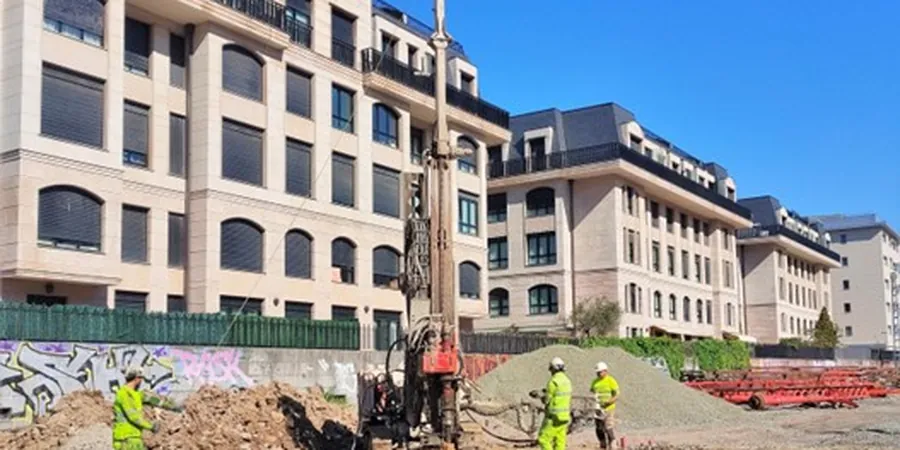
In Las Vegas alluvium, bond stresses can drop by 40% just 10 feet away from a dry wash — we verify every location.
Service characteristics in Las Vegas
- Bond stress between grout and soil (typically 50–120 kPa in Las Vegas alluvium)
- Structural steel casing capacity for compression and tension
- Long-term creep in collapsible soils below the water table
Critical ground factors in Las Vegas
The most common mistake we see contractors make in Las Vegas is assuming that a single micropile load test on the Strip applies to a site in Summerlin or Henderson. The soil stratigraphy can shift from loose sands to cemented caliche within 15 feet horizontally, so a generic design will either overestimate capacity or leave piles undersized. When that happens, you get excessive settlement or tension failure at the bond zone. We have seen projects where the engineer used bond values from a Las Vegas report for a site that was actually collapsible silt — the piles passed the test load but settled 2 inches after construction.
Our services
We deliver two complementary services under the micropile design umbrella — both are backed by our ISO 17025-accredited laboratory and local experience.
Bond Zone Verification & Load Testing
Using Osterberg cells or conventional top-down load tests, we confirm the grout-to-soil bond stress at the exact location of each pile group. For Las Vegas projects, we typically run 1 test per 20 piles in variable soil conditions.
Structural Design & Detailing
We size the casing, reinforcement, and grout mix per ACI 543R and IBC 2021, including buckling checks for slender piles in soft layers. Drawings include corrosion protection specifications for the aggressive sulfate environment found in parts of the Las Vegas Valley.
Frequently asked questions
How do micropiles handle the collapsible soils common in Las Vegas?
Collapsible soils in the Las Vegas Valley lose strength when wetted, so the micropile bond zone must extend below the collapsible stratum into competent alluvium or bedrock. We design the casing to bridge the collapsible layer and transfer load to the deeper bond zone, and we require wetting tests on the soil samples to quantify collapse potential before finalizing the bond length.
What is the typical micropile design capacity for a mid-rise building on the Strip?
For a 6- to 10-story building on the Strip, we typically design micropiles for 100–180 kips (445–800 kN) per pile in compression, depending on the soil variability. Tension capacity is usually 60–80% of the compression value. These numbers assume a bond zone of 15–25 feet in the gravelly sands beneath the fill layer.
Do you provide the load test setup and interpretation for the city inspectors?
Yes, we coordinate the entire load test program — from selecting test pile locations to calibrating the jack and dial gauges. We submit a test report with load-settlement curves, Davisson offset limit analysis, and a recommendation for production pile acceptance. The report meets the requirements of IBC 2021 Section 1810 and is accepted by Clark County building officials.
How much does micropile design cost for a typical Las Vegas project?
For a residential or small commercial project, the design and testing package usually falls between US$1.550 and US$4.930, depending on the number of pile locations and the complexity of the soil profile. Larger projects with multiple load tests and seismic design require a custom quote, but the range gives you a baseline.