The oedometer consolidation test follows ASTM D2435 to measure how Las Vegas soils compress under load. This is critical here because much of the valley sits on lacustrine deposits with high plasticity clays and silty sands. These soils can undergo significant long-term settlement if not properly characterized. Before designing foundations, combining this test with a clasificación de suelos helps identify compressible layers. The process involves loading a confined soil specimen incrementally and recording deformation over time. For projects near the Strip or in Summerlin, where structures are large and heavy, consolidation parameters like Cc and Cv directly influence foundation depth and slab design. Without this data, engineers risk underestimating total settlement by several inches over decades.
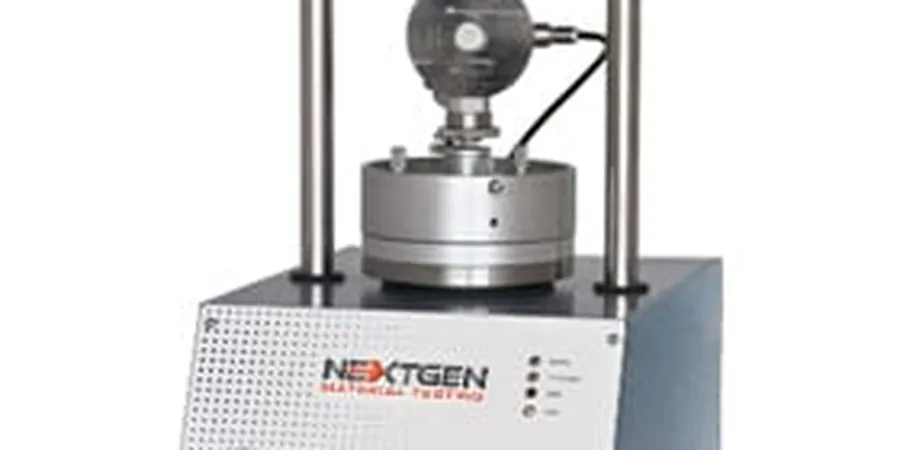
Las Vegas clays can compress 1 to 3 inches over 50 years under moderate loads — the oedometer test quantifies that creep.
Service characteristics in Las Vegas
Critical ground factors in Las Vegas
A common mistake in Las Vegas is skipping the oedometer test on clay-rich alluvial deposits. Builders assume deep water tables mean no settlement. That is wrong. The clays here are often unsaturated but still compress slowly under load. Without consolidation data, a foundation may settle 2 to 4 inches over 10 to 20 years, causing slab cracking, stuck doors, and misaligned utility connections. The risk is highest in the central valley and near Red Rock, where clay content exceeds 40 percent. One hotel-casino expansion had to spend over $500,000 on slab jacking because the original design ignored long-term consolidation. The oedometer test costs a fraction of that remediation.
Our services
We offer two oedometer test services tailored to Las Vegas projects. Each includes full reporting with settlement curves and parameters for design.
Standard Oedometer Test (ASTM D2435)
Incremental loading with up to 8 load steps. Measures Cc, Cr, Cv, and preconsolidation pressure. Suitable for low-rise commercial and residential slabs. Turnaround 5 to 7 business days.
Extended Oedometer with Creep Analysis
Includes sustained load stages beyond 24 hours to capture secondary compression (creep). Used for high-rise towers, casinos, and infrastructure projects where long-term settlement matters. Turnaround 10 to 14 business days.
Frequently asked questions
How is the oedometer test different from a triaxial test?
The oedometer measures one-dimensional compression with no lateral strain. It is used for settlement analysis of clays and silts. The triaxial test measures shear strength under controlled confining pressure. For Las Vegas foundations, oedometer is preferred for slab settlement, triaxial for bearing capacity.
What sample types are required for the oedometer test?
Undisturbed thin-wall tube samples (Shelby tubes) or block samples are required. Disturbed samples cannot be used because the test relies on the natural soil structure. In Las Vegas, we typically collect samples from 5 to 30 feet depth where clay layers are present.
How long does the oedometer test take to complete?
A standard test takes 5 to 7 business days including sample preparation, incremental loading, and data analysis. Extended creep tests take 10 to 14 business days. The duration depends on the number of load increments and the soil permeability.
Does the deep water table in Las Vegas affect consolidation behavior?
Yes. Because the water table is often 100+ feet deep, the clay layers are unsaturated. This reduces pore pressure dissipation rates and can increase the time required for primary consolidation. The oedometer test accounts for this by allowing longer load durations to capture the true settlement behavior.
What is the typical cost range for an oedometer consolidation test in Las Vegas?
The cost typically ranges between US$220 and US$450 per test, depending on the number of load increments and whether creep analysis is included. Volume discounts apply for multiple samples from the same project.